Criminal, commercial and civil

From investigation to trial.

A firm covering every field of law, with eleven experienced lawyers, each practising in their own specialisation, so that every matter finds the lawyer for it — before every Lebanese court.

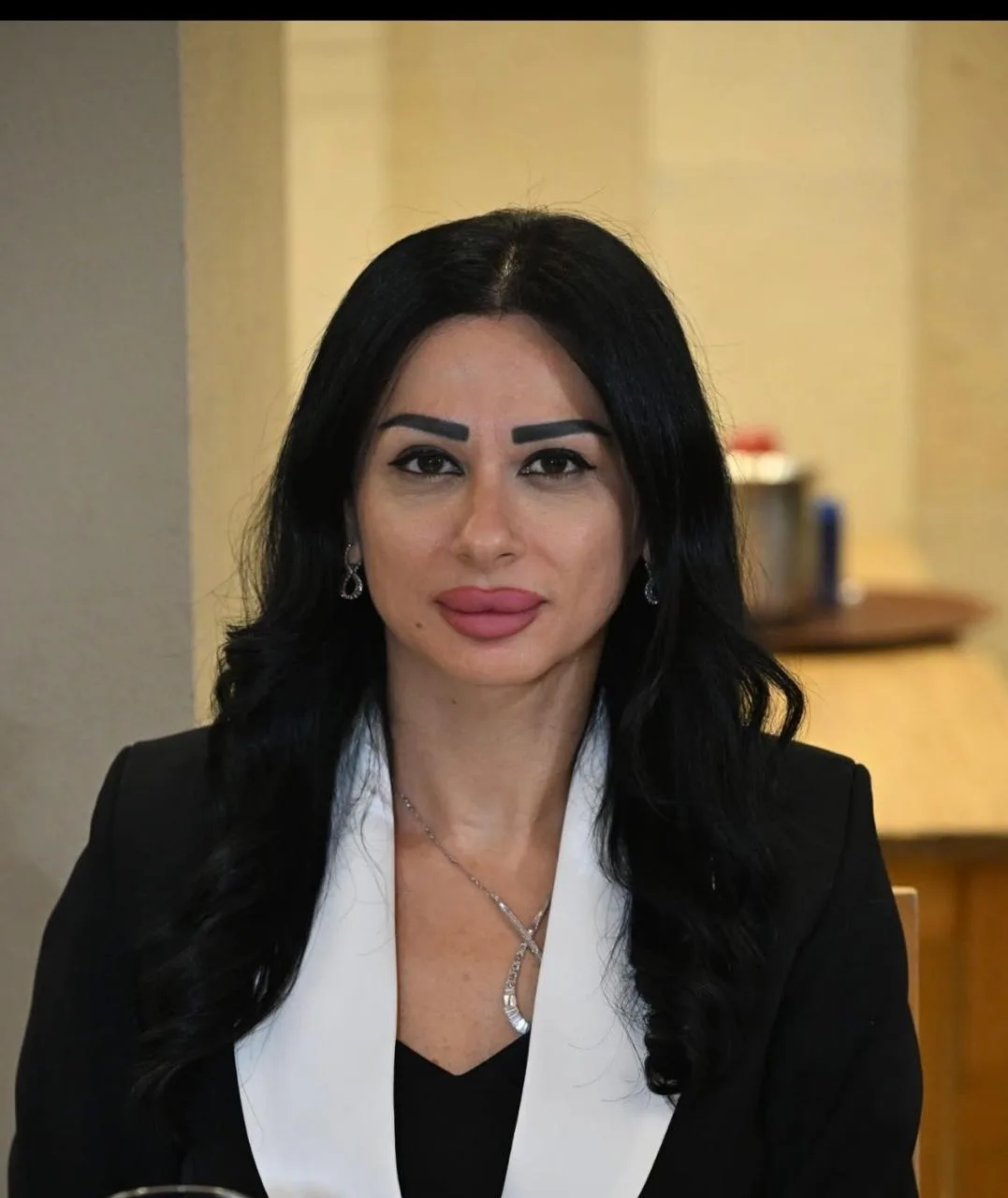
Myrna Nakad, photographed at the office.

The advocate

Myrna Nakad

Law practice and legal consultancy.

Files pursued before every Lebanese court: criminal, civil, property, spiritual and Sharia, administrative and commercial.

Criminal defence

Preliminary investigation, detention, the investigating judge, the indictment chamber, trial. Long experience in this field, and in every category of offence provided for under Lebanese law.

International criminal matters

Files that reach beyond the border: extradition requests, Interpol notices, international letters rogatory, and offences some part of which took place in another country. And what touches on international criminal justice.

Commercial and company law

Setting up a company, disputes between partners and shareholders, contracts, and the filings that keep a company’s registration up to date. Commercial law on land and at sea.

Personal status

Marriage, divorce, custody — heard by the court of your own community, the spiritual courts and the Sharia courts alike, and the rules are not the same in each. Inheritance follows different rules again.

Real estate and property

Buying, selling, leasing. Also disputes over title, and inherited property.

Labour and employment

We act for employers and for employees. Contracts, dismissal, end-of-service indemnity, social security.

Civil claims

Contracts and obligations, liability and damages, debt and enforcement — before the civil courts, from the single judge up to the court of appeal and the Court of Cassation.

Administrative claims

Disputes with the State and with public bodies: public tenders and contracts, decisions of the administration, and the civil service — before the Council of State.

Arbitration

Arbitration clauses in contracts, and representation through the proceedings that follow from one — in domestic and in international arbitration. Also what comes after an award: having it enforced, or applying to set it aside.
Write down where and when

Which police station or security service, and at what hour the person was taken in. Also who told you. The hour is the first thing a lawyer asks, and by the next morning nobody remembers it exactly.

Ask for a lawyer, and ask for it to be written in the record

Saying it out loud is not enough. Ask for the request to go into the record the officer is writing, with the time, and ask to see that it has been written down. Do not answer questions about the case itself before your lawyer is there.

Do not sign anything you have not read

Not a statement, not a receipt, nothing — and never in a language you do not read well. Ask for an interpreter, and ask for the paper to be read to you before you sign. If ID, a phone or money is taken, ask for that to go into the record, and ask for a copy of anything you do sign.

Ask who has the file

Ask which authority is holding it: the police, the public prosecution, or an investigating judge. Ask too whether the case is before the ordinary courts or the military court, because the rules are not the same. Write down any name you are given.

Collect the paperwork

ID, any summons or warrant, any receipt, anything already signed. Keep it all in one place, and bring it with you.

Then call us

Call as soon as you can. The first days are when a lawyer has the most room to act, and some of that room is hard to recover later.

This is general information, not legal advice. Every case is different. Call the office.

Call the office

The office

How we work.

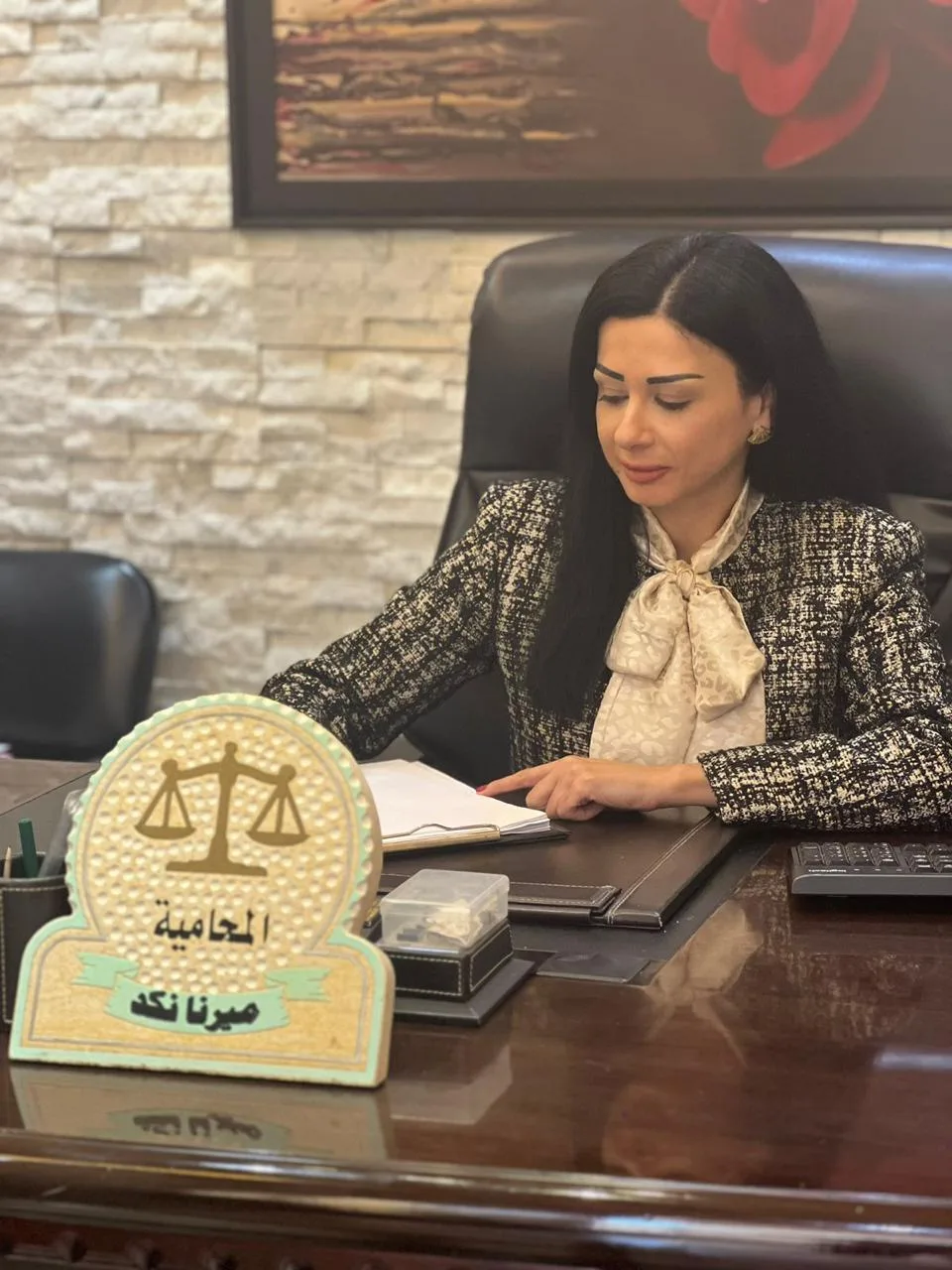
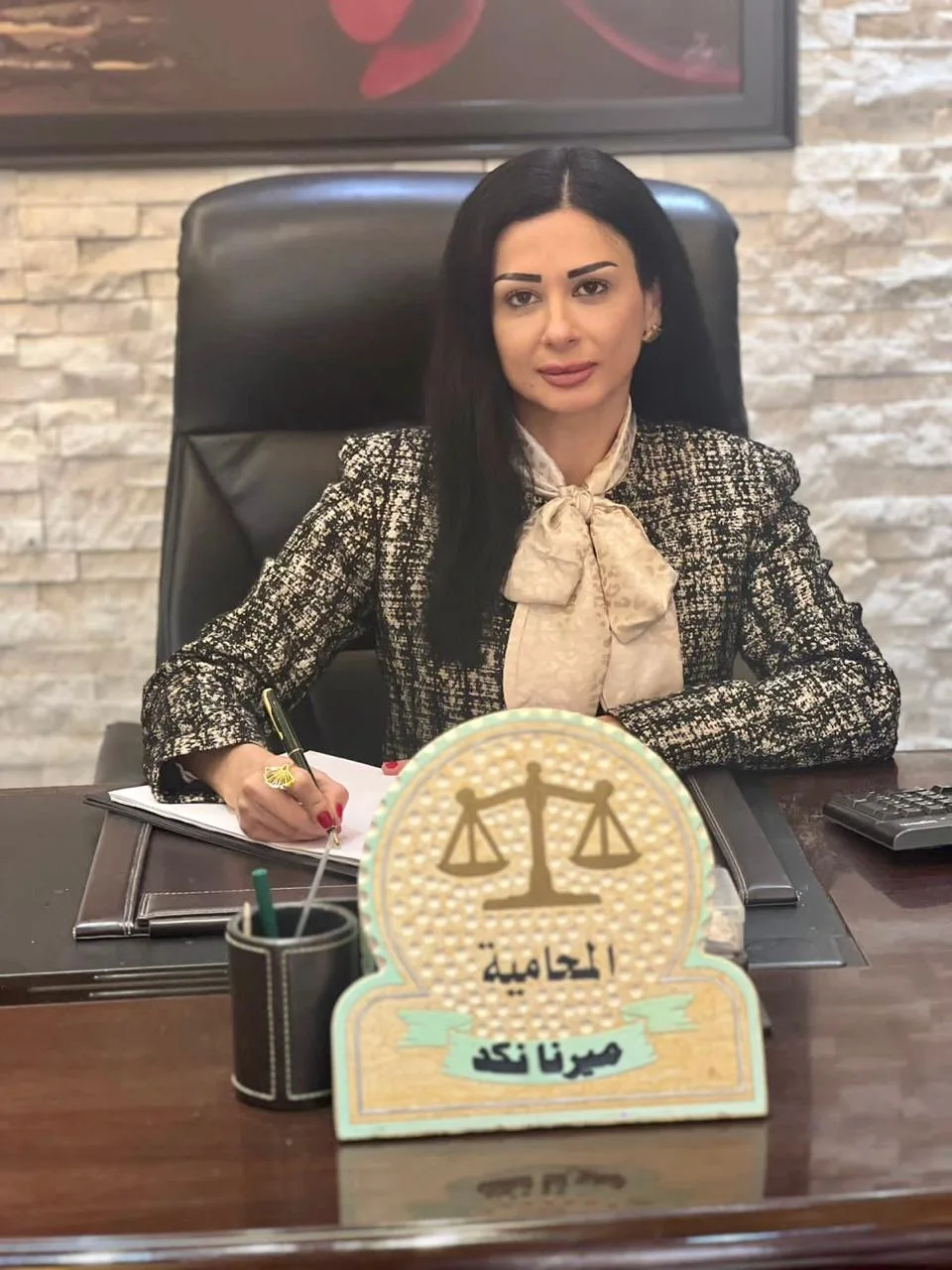
Working at the office desk, beside the nameplate.
Reading a file at the office desk.

One lawyer, from start to finish

One person handles your file and stays with it. You do not have to explain your case again at every call.

In Arabic, French and English

Correspondence and meetings happen in whichever of the three suits you. Pleadings and exhibits are filed in Arabic, which is the language of the Lebanese courts.

The file comes before the hearing

Much of what a lawyer can do for you happens before the hearing — in the written submissions, and in front of the investigating judge. Often in the first days.

In the media

On air, and in public life.

Myrna Nakad during the Voice of Lebanon interview.

Television interview

VDL24 · صوت لبنان

Maternity leave extended to 14 weeks?

Wassel Sawtak bil Qanoun — Voice of Lebanon

A studio interview on extending maternity leave in Lebanon to fourteen weeks, and what such a change would mean for women in employment.

Watch on YouTube

Election address

الوادي بتستحق

Campaign address, municipal elections

A short address to camera, recorded at the office during her candidacy in the municipal — baladiyeh — elections, under her campaign’s own “الوادي بتستحق” title.

Where we are

Finding the office.

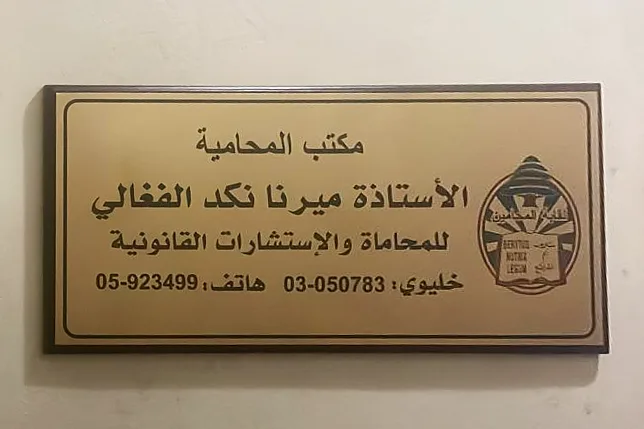
The plate on the office door: the law office of Myrna Nakad, law practice and legal consultancy, beside the Bar Association emblem.
Facing the Palace of JusticeBaabda, Mount Lebanon 1003Lebanon
Open in Google Maps

Contact

Tell us what happened. We are ready to help you.

LanguagesArabic · French · English